
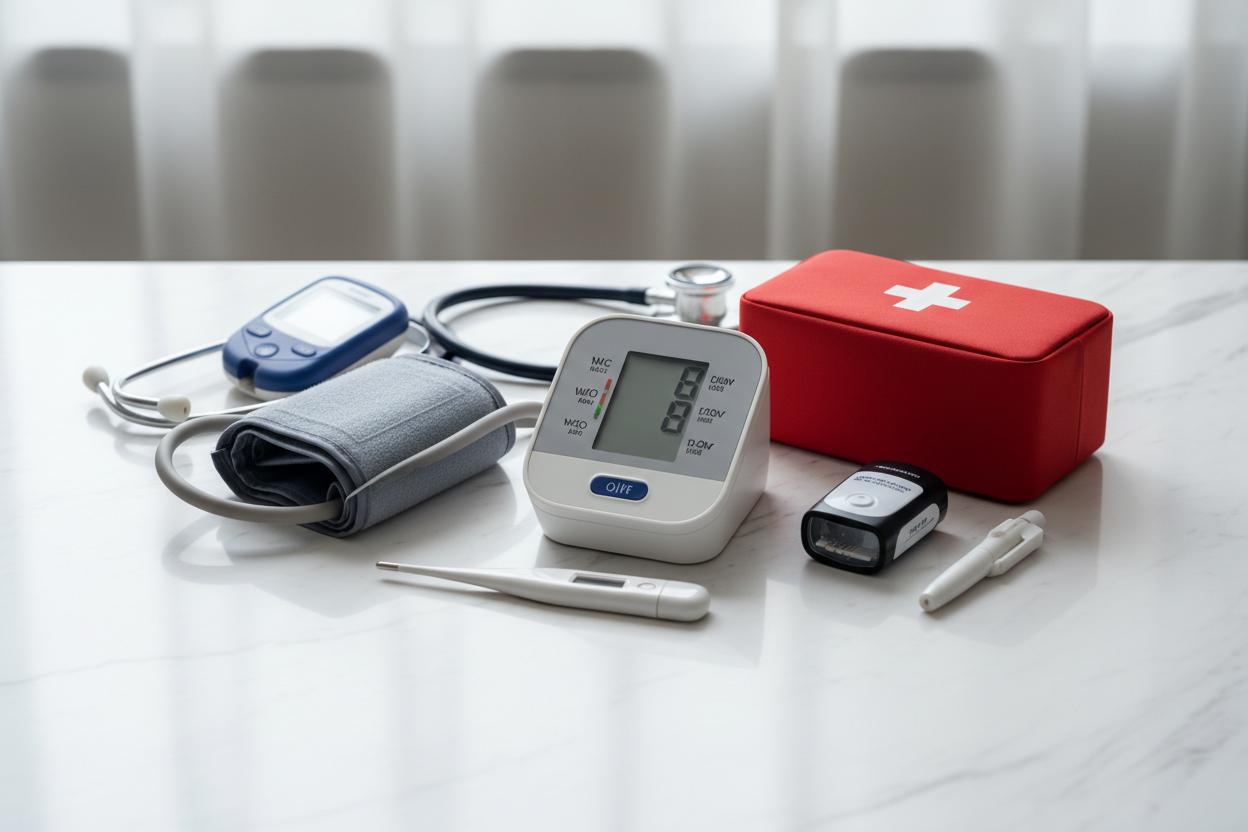
In today’s fast-paced world, being prepared for minor injuries, sudden illnesses, and ongoing health needs is more important than ever. Having essential home medical supplies readily available can help you respond quickly to emergencies, monitor health conditions, and provide basic care without unnecessary trips to a clinic or hospital.
A well-stocked home medical kit not only offers peace of mind but also ensures that your family is ready for unexpected situations. Here are the essential home medical supplies every household should consider keeping on hand.
1. First Aid Essentials
Every home should have a comprehensive first aid kit. These items are crucial for treating minor injuries and preventing infections.
Recommended supplies include:
- Adhesive bandages in various sizes
- Sterile gauze pads
- Medical tape
- Antiseptic wipes
- Antibiotic ointment
- Cotton balls and swabs
- Instant cold packs
- Disposable gloves
- Scissors and tweezers
These basic items can help manage cuts, scrapes, burns, and minor wounds until professional medical care is available if needed.
2. Digital Thermometer
A digital thermometer is one of the most important medical tools for every family. It allows you to quickly check body temperature and identify fever, which is often a sign of infection or illness.
Choose a reliable digital thermometer that provides accurate readings and is easy to use for both adults and children.
3. Blood Pressure Monitor
High blood pressure is often called a “silent condition” because it may not show noticeable symptoms. A home blood pressure monitor helps individuals track their readings regularly and share important information with healthcare providers.
This device is particularly valuable for:
- Seniors
- Individuals with hypertension
- People with heart-related conditions
- Those monitoring their overall health
4. Pulse Oximeter
A pulse oximeter measures oxygen saturation levels and heart rate. It is especially useful for people with respiratory conditions such as asthma, COPD, or other lung-related illnesses.
This small device provides quick results and can help identify potential breathing concerns before they become serious.
5. Basic Medications
Every household should maintain a supply of commonly used over-the-counter medications for everyday health concerns.
Common examples include:
- Pain relievers
- Fever reducers
- Allergy medications
- Cough and cold remedies
- Antacids
- Oral rehydration solutions
Always follow dosage instructions and consult a healthcare professional when necessary.
6. Wound Care Supplies
Proper wound care is essential for preventing infections and promoting faster healing.
Useful wound care items include:
- Sterile dressings
- Elastic bandages
- Wound cleansing solutions
- Burn treatment gel
- Medical adhesive strips
Keeping these supplies available ensures you can respond effectively to minor injuries at home.
7. Mobility and Support Aids
For elderly family members or individuals recovering from surgery or injury, mobility aids can improve safety and independence.
Examples include:
- Walking canes
- Crutches
- Walkers
- Knee supports
- Back braces
- Compression supports
These products help reduce strain and lower the risk of falls and further injury.
8. Respiratory Care Equipment
Families with members who have respiratory conditions should consider keeping essential respiratory equipment at home.
Common options include:
- Nebulizers
- Face masks
- Steam inhalers
- Humidifiers
These devices can provide relief and support respiratory health during illness or allergy seasons.
9. Emergency Contact Information
While not a physical medical supply, maintaining a list of emergency contacts is equally important.
Include:
- Family physician
- Local hospital
- Emergency services
- Pharmacy contact information
- Family emergency contacts
Store this information in an easily accessible location for quick reference.
10. Medical Storage and Organization
Proper organization ensures that medical supplies remain effective and easy to find during emergencies.
Best practices include:
- Store items in a cool, dry place
- Check expiration dates regularly
- Replace used or expired supplies promptly
- Keep medications out of children’s reach
Regular maintenance of your home medical supplies ensures they are ready when needed most.
Conclusion
Preparing your home with essential medical supplies is a simple yet important step toward protecting your family’s health and well-being. From first aid essentials and monitoring devices to wound care products and emergency supplies, having the right tools available can make a significant difference during unexpected situations.
By investing in a well-stocked home medical kit and keeping supplies organized and up to date, you can provide better care, respond confidently to emergencies, and create a safer environment for everyone in your household.
Write a comment
Your email address will not be published. All fields are required